
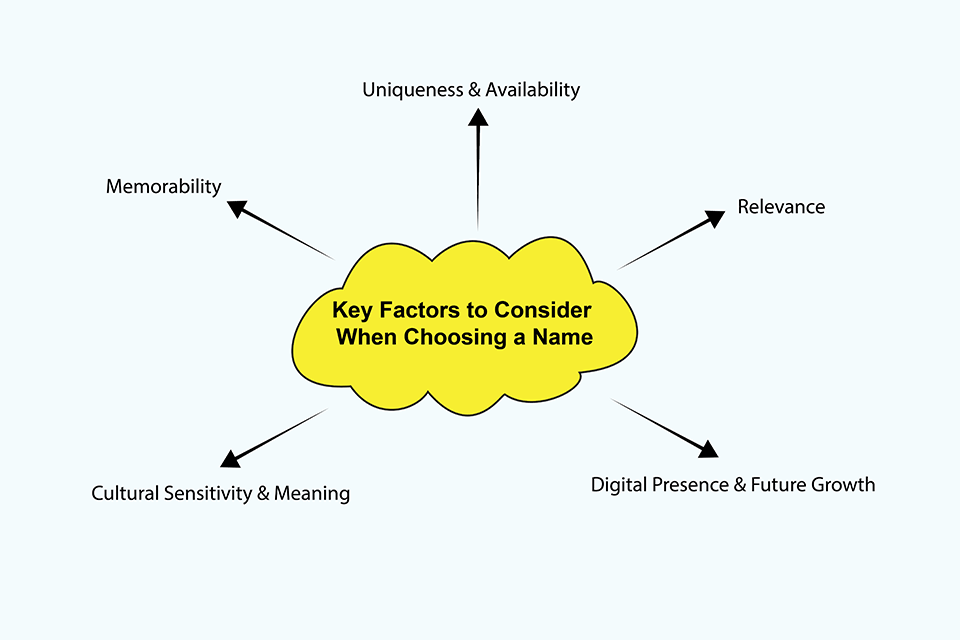
Choosing a business name is one of the first and most important steps when starting a business. Your name represents your brand identity, communicates what you do, and makes an impression on customers before they ever interact with your product or service. A good name should be memorable, unique, legally available, and aligned with your vision.
Example of what happens when done right
A Zambian agribusiness startup chooses the name “FreshHarvest Foods.” The name clearly communicates freshness, food, and agriculture, making it easy for customers and retailers to understand the business focus. It is also unique enough to be registered with PACRA and used for a domain name.
Example of what happens if it is done wrong
A new consultancy names itself “Global Solutions.” The name is generic, used by many other firms, and fails to communicate its actual services. Customers struggle to differentiate it, and PACRA rejects the registration due to duplication.
ing elit. Ut elit tellus, luctus nec ullamcorper mattis, pulvinar dapibus leo.
Your name should be short, easy to pronounce, and easy to remember.
Helps customers recall your business quickly and recommend it to others.
A tech company uses the name “ZamPay” for its mobile payment app—short, catchy, and relevant.
A logistics company picks the long name “International Cargo & Transport Services of Zambia Ltd”, which customers find hard to recall or recommend.
The name should be distinct and not already in use by other businesses.
Prevents legal disputes and ensures smooth PACRA registration.
A salon selects “Royal Glow Spa”, which is unique and available for PACRA and trademark registration.
A boutique chooses “Chic Styles”, only to discover it’s already registered by another business, forcing them to rebrand.
The name should reflect what the business offers or stands for.
Customers can instantly connect your name with your services.
A renewable energy startup chooses “SolarBright Zambia”, clearly linking it to solar energy solutions.
A bakery uses the name “Enterprise Services”, leaving customers confused about what the business does.
Ensure your name has a positive meaning and does not offend local cultures or languages.
Avoids misinterpretation and builds positive customer perception.
A beverage brand uses “Mosi Refresh”, evoking local identity and pride.
A new brand unknowingly uses a word that is harmless in English but offensive in a Zambian local language, damaging its reputation.
Consider domain name availability and flexibility for expansion.
Your name should work online and support business growth beyond one product or market.
A startup names itself “Lusaka Eats”, finds the domain available, and quickly builds an online delivery platform.
A business names itself “CDs & DVDs Corner,” which limits branding opportunities when the market shifts to digital streaming.