
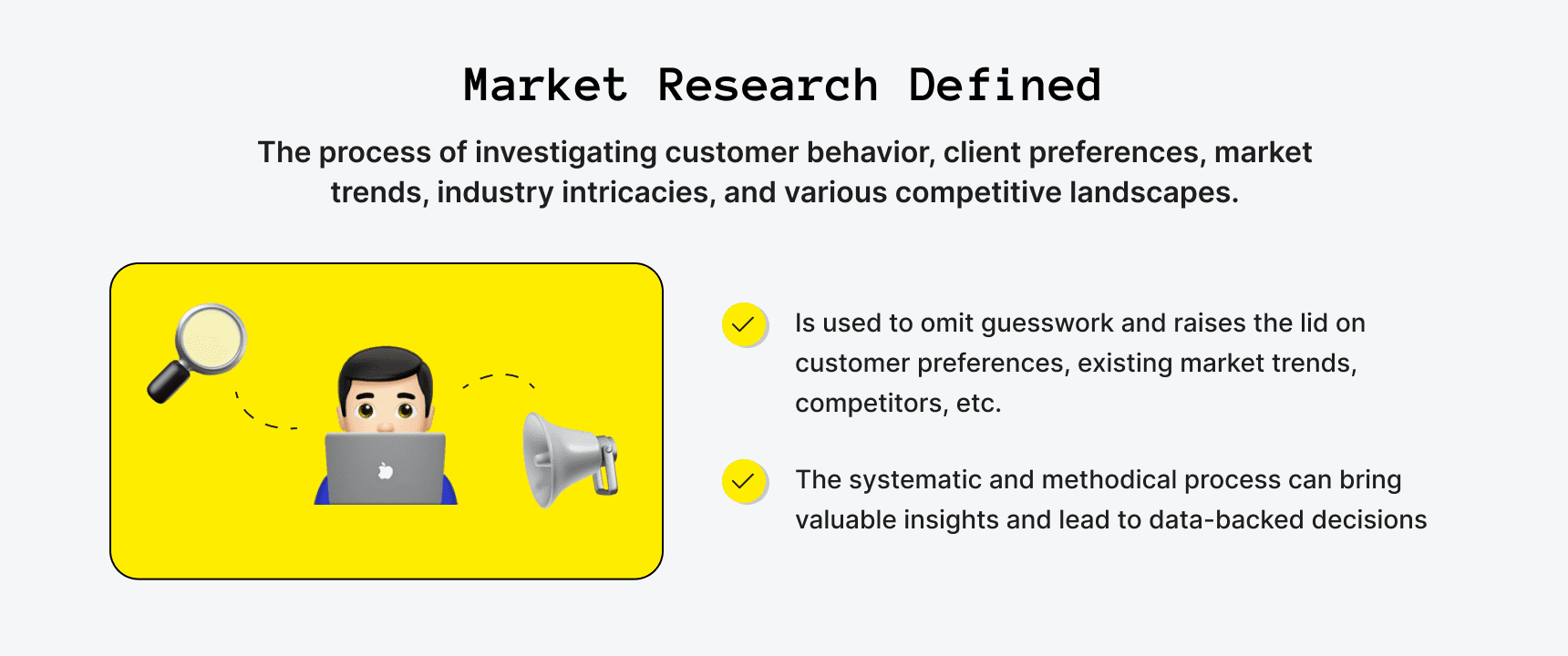
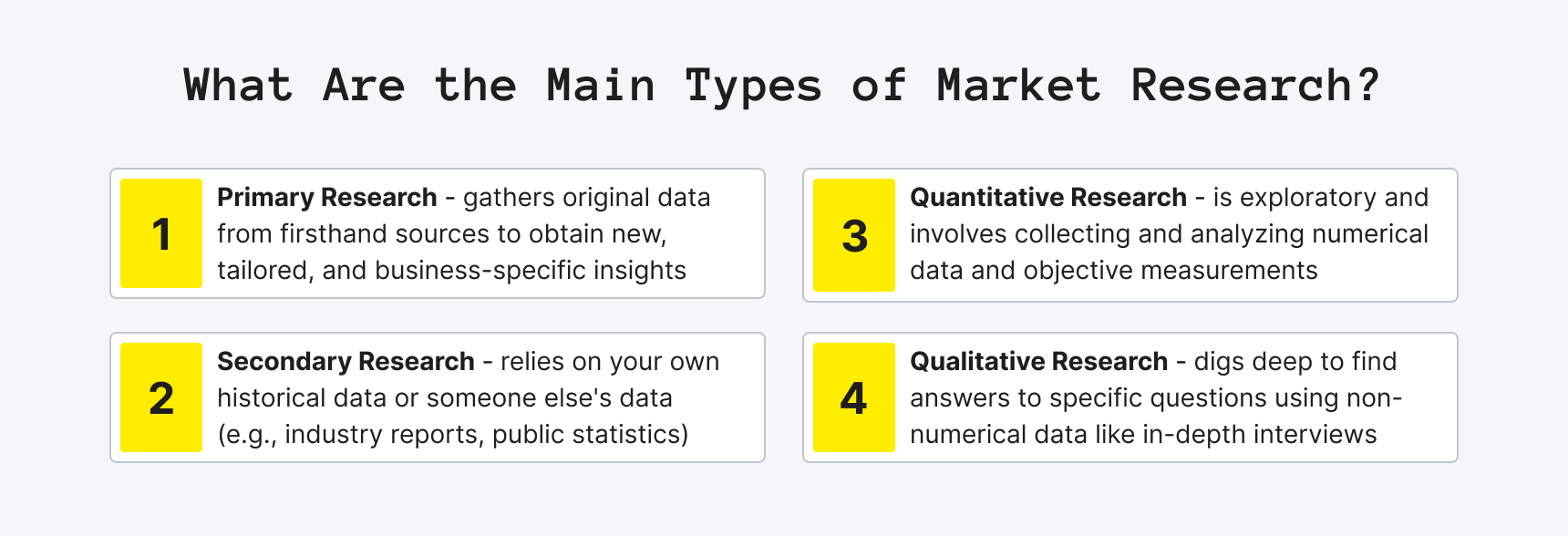
Market research is the systematic process of studying customers, industry conditions, and competitors to make informed business decisions. In Zambia, this may include analyzing consumer spending patterns in Lusaka, demand trends in the Copperbelt mining supply chain, or the growth of digital payments in rural areas.
It helps entrepreneurs avoid guesswork and instead base decisions on data—about customer preferences, product appeal, industry trends, and competitor strengths/weaknesses.
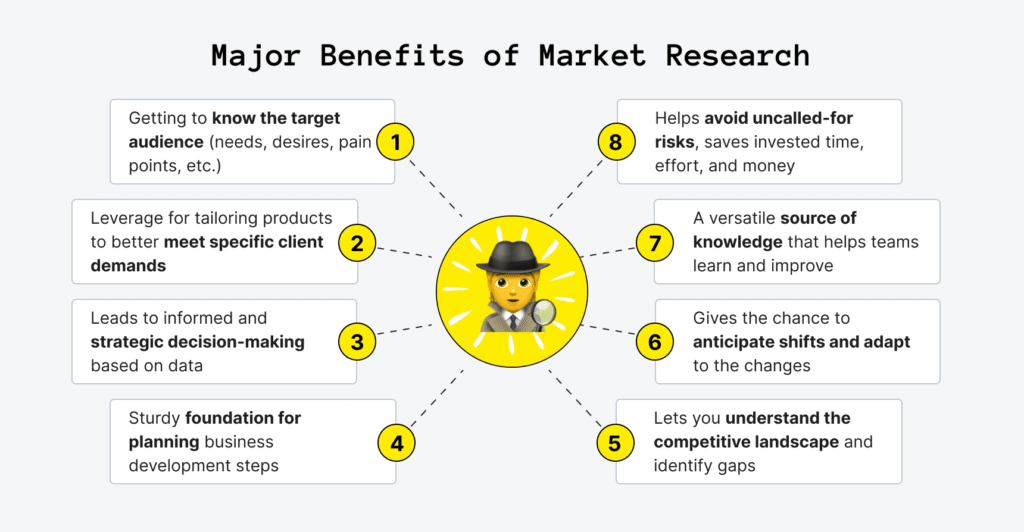
Zambia’s business environment is fast-paced and unpredictable: kwacha fluctuations, changes in import duties, and shifts in consumer habits can make or break a venture. Conducting market research allows businesses to:
Missed opportunities:
You may overlook profitable niches like agro-processing or e-commerce.
Wasted investment:
Resources go into products/services without demand.
Higher failure rates:
Many Zambian SMEs collapse within 2 years largely due to poor planning and lack of data.
Competitors take the lead:
Businesses with deeper insights capture customers faster.
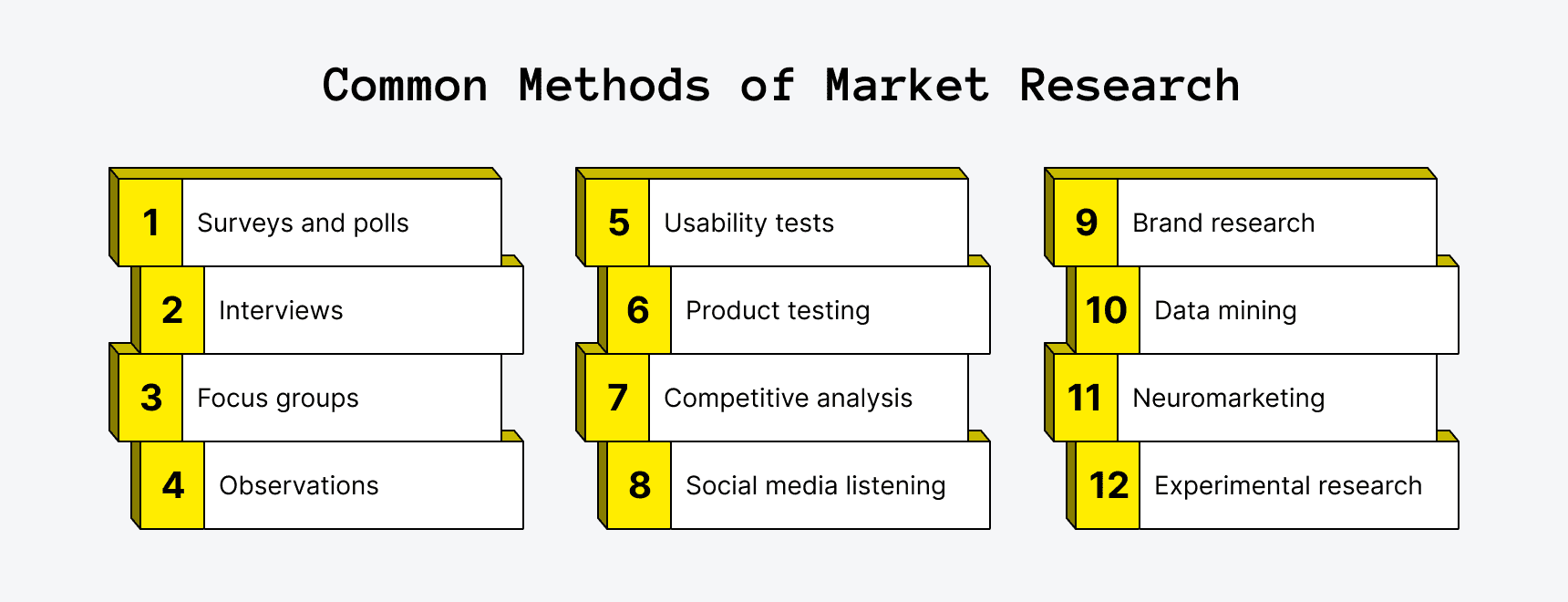
Surveys & Polls
Online (Facebook, WhatsApp groups) or in-person questionnaires to understand needs.
Interviews & Focus Groups
Conversations with potential Zambian customers to gather insights.
Observation
Studying how consumers behave in malls, markets, or online platforms.
Product Testing
Running small-scale pilots before full launch (e.g., a pop-up shop in Lusaka).
Competitive Analysis
Visiting competitors, checking pricing, social media engagement, and product quality.
Social Media Listening
Monitoring discussions on Facebook, TikTok, and Twitter/X about products or industries.
Data Analysis
Using ZRA trade data, mobile money usage stats, or bank reports.
Step 2 Pick a Location