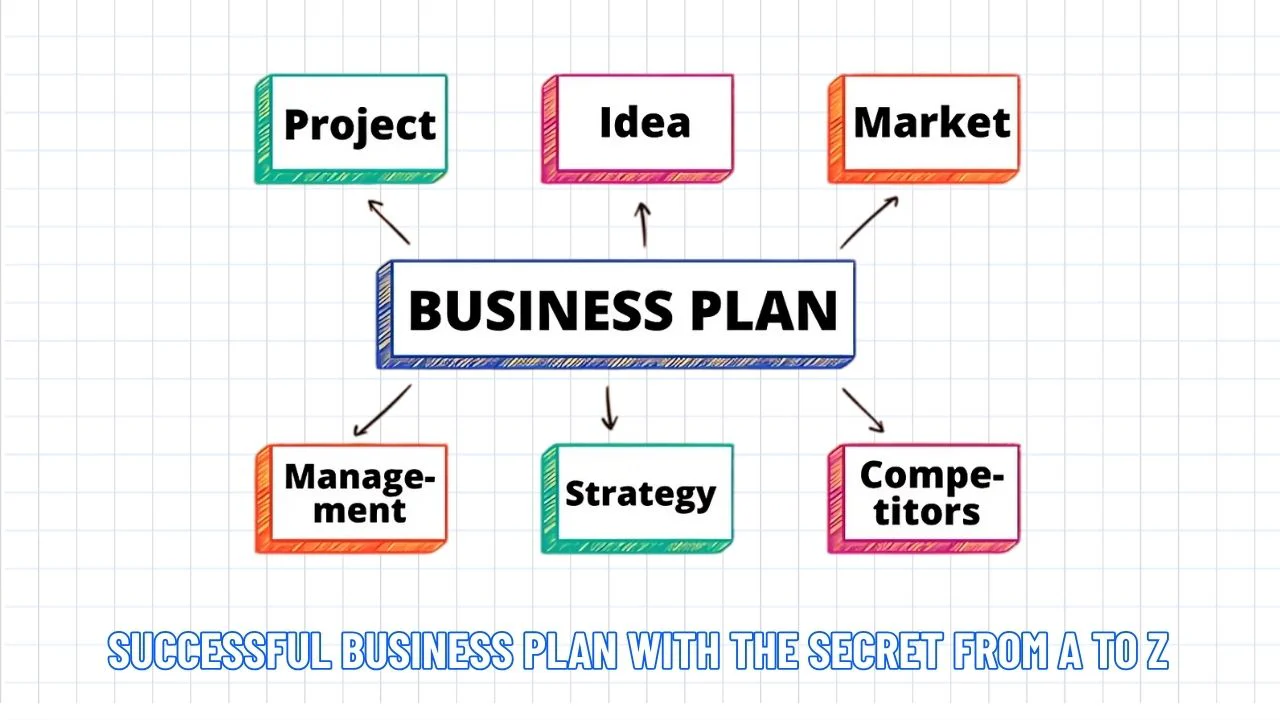
What is a Business Plan?

A business plan is a comprehensive written document that describes the vision of a business, its goals, and the strategies to achieve them. It provides a roadmap covering operations, marketing, financial management, and growth planning.

It serves two major purposes:

  1. As a planning tool – guiding entrepreneurs in organizing their ideas and managing execution.

  2. As a communication tool – convincing investors, lenders, or partners that the business is viable and worth supporting.

business-plan_0ca886be-5138-4193-8f06-8cb4cb688a51

Key Elements of a Business Plan

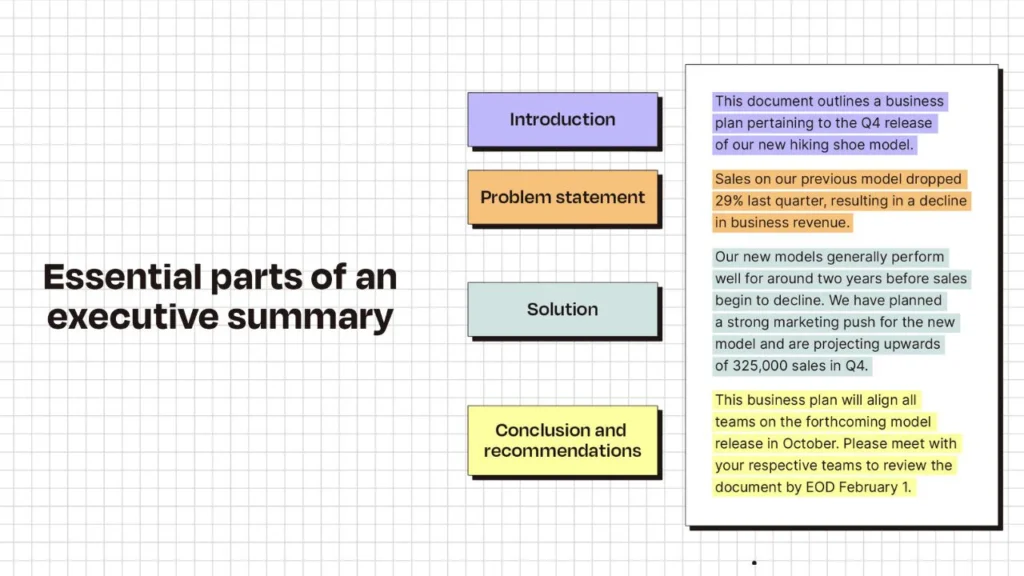
1. Executive Summary
  • A snapshot of the business idea.
  • Includes mission, vision, product/service highlights, financial needs, and success factors.
  • Usually written last, but appears first in the plan.
2. Business Description
  • Provides background on the company, industry, and market context.
  • Defines the problem your business solves.
  • Explains your unique value proposition.
3. Market Analysis
  • Studies the target market, customer needs, and purchasing behaviors.
  • Examines competitors, their strengths and weaknesses.
  • Identifies market trends, opportunities, and threats.
4. Organisation and Management
  • Defines ownership structure (sole proprietorship, partnership, company).
  • Outlines management team, roles, and experience.
  • May include advisors, board of directors, or strategic partners.
5. Product/Services
  • Detailed description of offerings.
  • How they solve customer problems or create value.
  • Information on pricing, lifecycle, and competitive differentiation.
6. Marketing and Sales Strategy
  • Plan to attract and retain customers.
  • Includes branding, promotion, advertising, digital strategies.
  • Describes sales funnel and customer service approach.
  •  
7. Operations Plan
  • Daily processes, suppliers, logistics, facilities, and technology.
  • Production timelines and inventory management.
  • Outlines distribution channels (direct sales, retail, online, B2B).
8. Financial Projections
  • Revenue forecasts, expenses, profit margins.
  • Cash flow analysis and break-even calculations.
  • Used to demonstrate sustainability and growth potential.
9. Funding Request
  • Amount of funding needed, purpose, and repayment/return terms.
  • May include startup capital, working capital, or expansion funds.
  • Shows investors how their money will generate returns.

Why a business plan matters

For Entrepreneurs
  • Brings clarity, structure, and focus to business ideas.
  • Helps measure progress and adapt strategy over time.
  • Reduces uncertainty by planning ahead.
For Investors
  • Provides proof of concept and financial viability.
  • Demonstrates understanding of risks and mitigation strategies.
  • Reduces perceived risk, making funding approval more likely.
For teams and partners
  • Provides proof of concept and financial viability.
  • Demonstrates understanding of risks and mitigation strategies.
  • Reduces perceived risk, making funding approval more likely.

Step 2 Pick a location

Step 4 Choose a business name